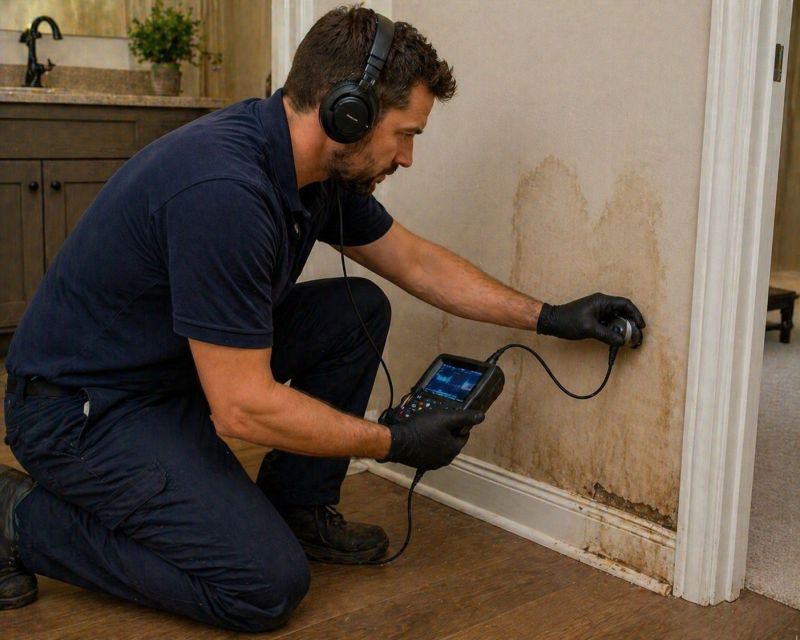
Water Leak Detection in Denver, CO
Water leak detection services help homeowners identify the source of hidden leaks within plumbing systems, walls, floors, or underground pipes. This service is essential for diagnosing issues in residential properties, including leaks behind walls, under slabs, or within underground lines, which can cause water damage and increased utility bills if left unaddressed. Property owners typically request leak detection when noticing unexplained increases in water bills, damp spots on walls or floors, mold growth, or the sound of running water without an obvious source. Understanding the scope of the project and the specific areas of concern can help determine the most effective detection methods and ensure prompt resolution.
Before requesting water leak detection, property owners should consider the location of suspected leaks, recent plumbing work, or any signs of water intrusion. Clarifying whether the concern involves indoor plumbing, underground lines, or fixtures can assist in selecting the appropriate detection techniques. It is also helpful to know if there are any access restrictions or sensitive areas that require careful handling. Accurate information about the problem’s symptoms and location can streamline the detection process, minimize disruption, and facilitate efficient repairs once the leak is found.
Many property owners in Denver, CO look into Water Leak Detection for repairs, replacements, upgrades, and appearance-related improvements.
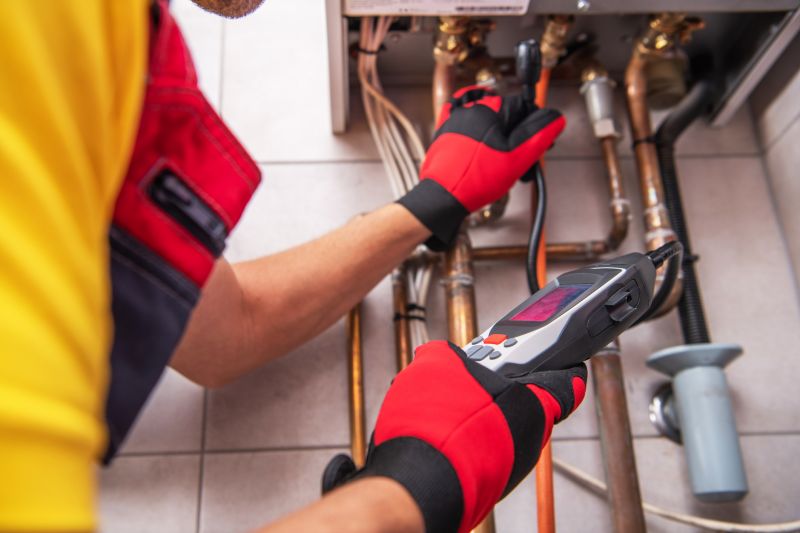
Identifying Hidden Leaks
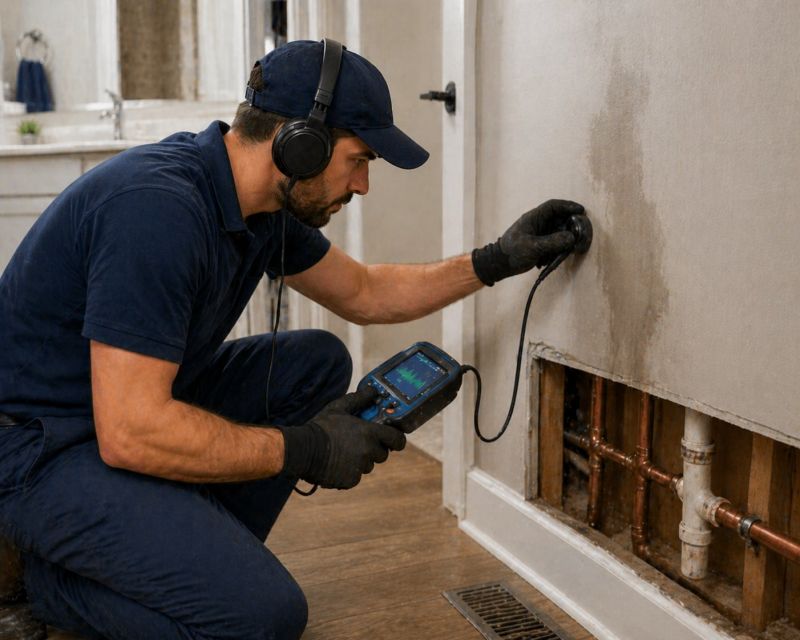
Advanced detection methods reveal leaks behind walls and under floors without unnecessary damage.
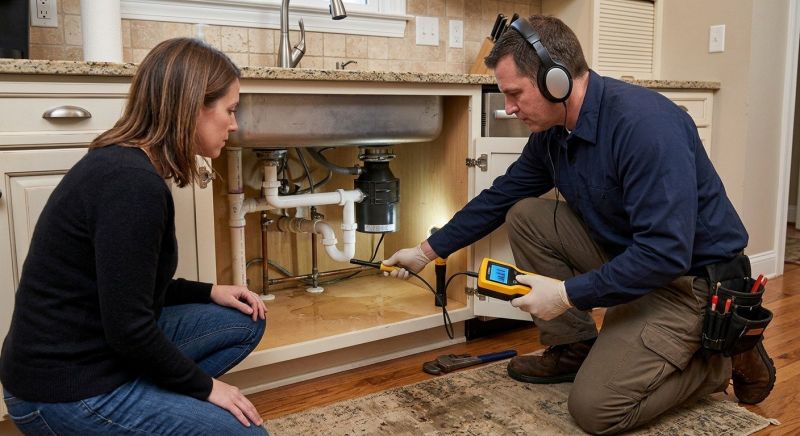
Preventing Water Damage
Early leak detection helps protect your property from costly water damage and mold growth.
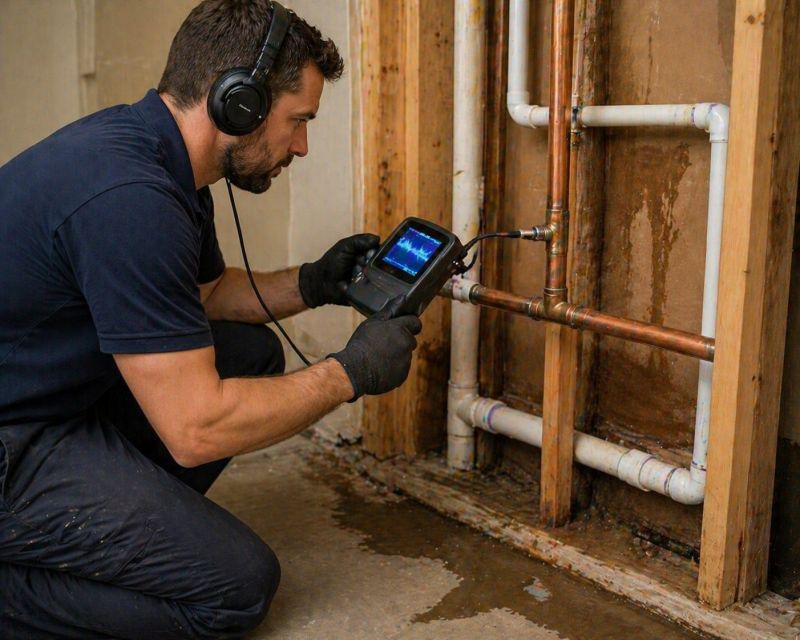
Detecting Plumbing Issues
Effective leak detection locates plumbing faults in residential and commercial properties throughout denver and nearby areas.
Water Leak Detection in Denver, CO

Water leak detection services help homeowners identify the source of hidden leaks within plumbing systems, walls, floors, or underground pipes. This service is essential for diagnosing issues in residential properties, including leaks behind walls, under slabs, or within underground lines, which can cause water damage and increased utility bills if left unaddressed. Property owners typically request leak detection when noticing unexplained increases in water bills, damp spots on walls or floors, mold growth, or the sound of running water without an obvious source. Understanding the scope of the project and the specific areas of concern can help determine the most effective detection methods and ensure prompt resolution.
Before requesting water leak detection, property owners should consider the location of suspected leaks, recent plumbing work, or any signs of water intrusion. Clarifying whether the concern involves indoor plumbing, underground lines, or fixtures can assist in selecting the appropriate detection techniques. It is also helpful to know if there are any access restrictions or sensitive areas that require careful handling. Accurate information about the problem’s symptoms and location can streamline the detection process, minimize disruption, and facilitate efficient repairs once the leak is found.
Many property owners in Denver, CO look into Water Leak Detection for repairs, replacements, upgrades, and appearance-related improvements.
Common Water Leak Detection Jobs
Pipe Leak Detection - pinpointing hidden leaks within plumbing systems to prevent water damage.
Slab Leak Detection - locating leaks beneath concrete slabs to avoid costly foundation issues.
Bathroom Leak Detection - identifying leaks around toilets, showers, and sinks to prevent mold growth.
Roof Leak Detection - finding leaks that originate from roof penetrations or damaged shingles.
Sprinkler System Leak Detection - detecting underground leaks in irrigation systems to conserve water.
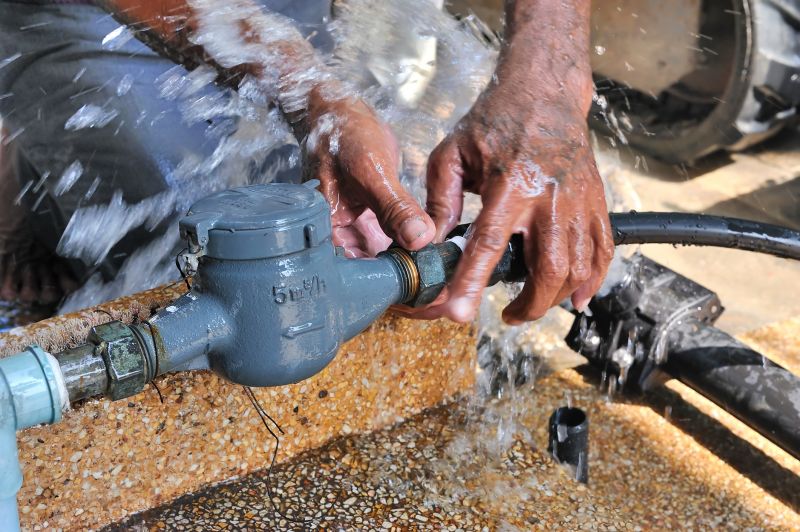
Water Line Leak Detection - locating leaks in main and service lines to reduce water waste and damage.

Water Leak Detection Questions
How can I tell if I have a water leak? Signs include unexplained increases in water bills, damp spots on walls or floors, and the sound of running water when no fixtures are in use.
What areas are typically checked during leak detection? Common areas include plumbing behind walls, under sinks, in basements, and beneath flooring where hidden leaks may occur.
Is water leak detection invasive? Some methods may involve accessing walls or floors, but non-invasive techniques are often used to locate leaks without major disruption.
Why is early leak detection important? Detecting leaks early helps prevent property damage, mold growth, and costly repairs down the line.
Request Water Leak Detection in Denver, CO
Use the quote form on this page to share the basics of your project and request more information for the type of work you need.